10 Tech Tools Every Senior Should Know About
A clinician-curated starter list — from fall-alert pendants to one-tap video phones — that genuinely earn their keep.
When patients ask me what technology actually matters for staying independent at home, I keep my list short on purpose. Most of the gadgets marketed to older adults are noise. A small number of them genuinely change the math on safety, medication adherence, and connection — the three things that determine whether someone stays in their home or moves into assisted living.
Here are the tools I recommend most often, ordered by impact rather than price.
1. A wearable with fall detection
Falls remain the leading cause of injury in adults over 65. A watch that detects a hard fall and calls emergency services automatically is the single highest-impact device on this list.
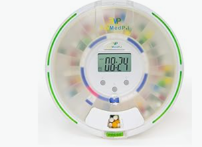
2. An automatic pill dispenser with caregiver alerts
Medication adherence is the quiet driver of hospital readmissions. A locking dispenser that alarms loudly and pings a family member if a dose is missed solves a problem people don't realize they have until something goes wrong.
3. A blood pressure monitor that syncs to a phone
If hypertension is on the chart, home monitoring with cloud sync gives clinicians real data instead of one-off readings in a stressful clinic setting.
What about the rest?
The remaining items — amplified phones, simplified TV remotes, video doorbells, smart displays for video calls — are quality-of-life improvements rather than safety necessities. They matter, but start with the three above.
Dr. Patel is a board-certified geriatrician with 15 years of experience helping families plan for aging in place. She advises Connected Care Living on clinical product reviews.