What Durable Medical Equipment Do You Need When Receiving Home Health Care?
Wondering what durable medical equipment you need when receiving home health care? Here's what patients and caregivers need to know — and the tools that make home recovery easier.
When a doctor orders home health care, most patients focus on the nurse visits, therapy sessions, or medication schedules. What often gets overlooked — until it becomes a problem — is the durable medical equipment that makes safe, successful home recovery actually possible.
Choosing the right durable medical equipment when receiving home health care can be the difference between a smooth recovery and an avoidable setback. This guide breaks down what home health patients and caregivers need to know, and the practical tools that support independence, safety, and better outcomes at home.
What Is Home Health Care and Who Qualifies?
Home health care is skilled medical care delivered in your home by licensed professionals — typically registered nurses, physical therapists, occupational therapists, or speech therapists. It is ordered by a physician and is designed for patients who are homebound and need ongoing clinical support after a hospitalization, surgery, or due to a chronic condition.
Common reasons patients receive home health care include recovery from a hip or knee replacement, management of congestive heart failure or COPD, wound care after surgery, and rehabilitation following a stroke.
Once home health care begins, the clinical team assesses your environment and needs. That assessment almost always surfaces a need for durable medical equipment — tools and devices that support the patient between visits and help caregivers provide better, safer support.
Why Durable Medical Equipment Matters During Home Health
Home health visits typically occur a few times per week. The rest of the time, patients and their family caregivers are on their own. The right durable medical equipment when receiving home health care fills that gap — helping patients stay on track with medications, stay connected to their care team, and stay safe in an environment that was not originally designed for medical recovery.
The risks of going without the right equipment are real. Missed medications are one of the leading causes of hospital readmissions among home health patients. Communication breakdowns between patients, caregivers, and providers create delays in care. And seniors managing hearing difficulties or cognitive decline can struggle to engage meaningfully with their own recovery without the right supportive tools.
The Durable Medical Equipment Home Health Patients Use Most
Below are the categories of durable medical equipment that consistently make the biggest difference for patients receiving home health care — and the specific products our clinical reviewers recommend most often.
Medication Management Devices
Medication adherence is one of the most critical — and most commonly failed — aspects of home health recovery. Patients managing multiple prescriptions, complex dosing schedules, or mild cognitive changes are especially vulnerable to missed or double doses.
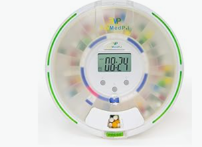
An automatic pill dispenser like the EziMedPil Automatic Pill Dispenser removes the guesswork entirely. With a 28-day capacity and six programmable alarms, it dispenses the right medication at the right time — and alerts the patient when it is time to take a dose. For caregivers managing a loved one's medications from a distance, this kind of device provides genuine peace of mind and reduces one of the most common causes of preventable readmission.
Hearing Amplification Devices
Clear communication is essential during home health care. Patients need to hear and understand instructions from their visiting nurses and therapists, follow through on care plans, and reach out for help when something is wrong. For seniors with untreated or under-treated hearing loss, this is a daily challenge.
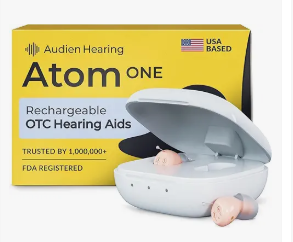
Hearing amplifiers like the Audien Atom Pro 2 are a practical, rechargeable solution that significantly improves a patient's ability to participate in their own care. Better hearing means better understanding of medication instructions, therapy exercises, and safety guidelines — all of which directly affect recovery outcomes. During home health, this is not a luxury. It is a functional necessity.
Senior-Friendly Communication Technology
One of the most underappreciated challenges in home health care is keeping patients connected — to their care team, to their family, and to help when they need it. Patients who feel isolated or who struggle with technology are less likely to follow up on symptoms, less likely to contact their home health agency with concerns, and more likely to end up back in the hospital.
The GrandPad Easy-to-Use Tablet for Seniors is designed specifically for older adults who are not comfortable with standard smartphones or tablets. With a simple interface, large icons, and one-tap video calling, it keeps seniors connected to the people and providers who matter most. During home health care, that connection is part of the treatment.
Supporting the Caregiver Is Part of the Care Plan
Home health care does not just involve the patient — it depends heavily on family caregivers who coordinate appointments, manage medications, monitor symptoms, and provide daily support. Equipping caregivers with the right tools is just as important as equipping the patient.
The Caregiver Starter Kit at ConnectedCareLiving is built with this in mind — bringing together the essential tools caregivers need to support a loved one receiving home health care. Rather than piecing together equipment one item at a time, it gives caregivers a practical, clinician-informed foundation from day one.
Questions to Ask Before Home Health Begins
Before or at the start of home health services, consider asking these questions to identify equipment needs early:
• Does my loved one have a reliable way to manage their medications independently between nursing visits?
• Can they clearly hear and understand instructions from their care team?
• Do they have a simple, reliable way to reach family or their provider in an emergency or if they have a question?
• Does the caregiver have the tools they need to support daily care at home?
Getting the answers to these questions early — and addressing the gaps with the right durable medical equipment — sets the stage for a faster recovery and fewer complications.
Getting the Right Equipment Before You Need It
One of the most common mistakes in home health transitions is waiting until a problem arises to address equipment needs. The time to think about durable medical equipment when receiving home health care is before the visit schedule begins — not after a missed medication dose or a communication failure.
ConnectedCareLiving offers clinician-reviewed equipment selected specifically for home health patients and their caregivers. Browse our full product catalog at connectedcareliving.com/shop or explore the Caregiver Starter Kit to get set up with confidence from day one.
The Connected Care Living editorial team curates clinician-reviewed equipment and guides for patients recovering at home and the families who support them.